

The Letters We Are Afraid to Send
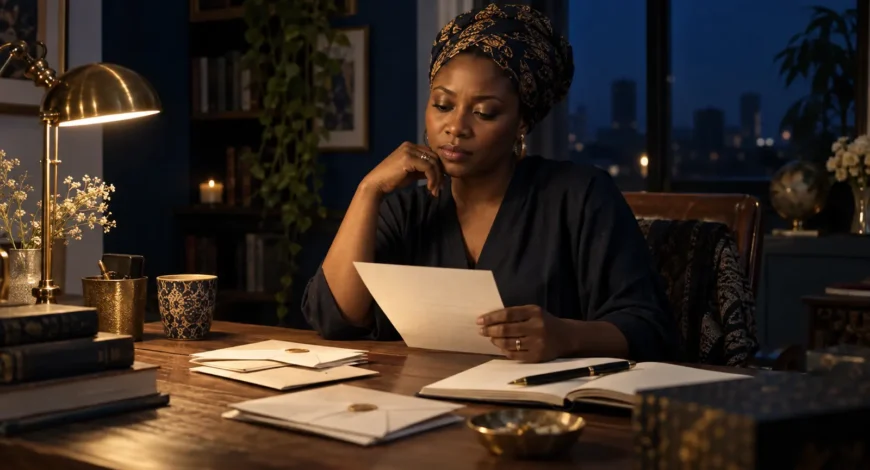
Most people have written a letter they never sent, even if it never reached paper. It may have been rehearsed during a shower, rewritten during a sleepless night or spoken perfectly after the person who needed to hear it had left the room.
Unsent letters hold the truths we fear will cost too much. They contain anger that might be called disrespect, grief that might be called weakness and questions that disturb the peace people have built around silence. Trapped Between Two Fears: The Letters I Was Afraid to Send grows from this emotional territory.
Silence can look like strength
In many families, strength means carrying pain without making it inconvenient for anybody else. The responsible child does not complain. The person abroad does not admit they are struggling. The parent does not reveal fear. Everyone protects everyone by hiding something, and the family becomes full of love that cannot speak honestly.
The same thing happens in our relationship with country. Criticism is sometimes treated as betrayal, so people learn to package disappointment carefully. They joke about failing systems because laughter feels safer than grief. They say, “Nigeria will humble you,” when what they mean is that something important has broken again.
Humour helps us survive, but it can also hide the depth of the wound. Behind a funny post about electricity may be a business owner losing stock. Behind a migration joke may be a family separated for years. Behind “we move” may be a person who is tired of always having to move.
What are we protecting?
We often avoid sending the letter because we are protecting a relationship, an image or a version of ourselves. The daughter does not want her mother to feel guilty. The son does not want friends to know that relocation has been lonely. The citizen does not want outsiders to insult the country, even while privately grieving what the country has become.
This protection is understandable. Not every truth belongs in every room. Yet permanent silence has a price. What cannot be named cannot be examined, and what cannot be examined is difficult to change. The unsent letter may preserve comfort today while allowing the same pain to continue tomorrow.
A letter makes the private visible
Letters create intimacy because they address somebody. They do not speak vaguely into the air. They say: this is what happened, this is what it did to me, and this is what I wish you understood. Even when the recipient is a country, the emotion remains personal.
A letter to home may say, “I miss you, but I am afraid to return.” A letter to life abroad may say, “You gave me room to grow, but I am tired of proving that I deserve to remain.” A letter to leadership may ask, “Why must citizens become experts in surviving failures they did not create?”
These are not abstract questions. They sit inside rent payments, visa renewals, school choices, hospital visits, remittance requests and phone calls across time zones. The letter form allows public issues to recover their human faces.
Writing without pretending to have easy answers
Some books arrive with solutions arranged like instructions. These books begin with questions. Trapped Between Two Fears asks what belonging means when both staying and leaving carry pain. Use, Dump, OYO asks what leadership becomes when people are valued only for their usefulness.
The questions matter because quick answers can flatten complicated lives. Telling everyone to leave ignores the people who cannot, the people who do not want to and the new difficulties migration creates. Telling everyone to stay ignores genuine danger and exhaustion. Telling citizens simply to endure turns resilience into permission for failure.
Honest writing can hold more than one truth at once. Nigeria can be beloved and deeply disappointing. Life abroad can be safer and painfully lonely. A joke can be funny and serious. A person can be grateful and grieving at the same time.
Letters can also cross generations. What a parent calls sacrifice, a child may experience as absence. What one generation calls patience, another may call delay. Writing creates a meeting place where both can explain themselves without demanding that one person’s truth must erase the other’s.
Perhaps the letter is for us too
Reading an unsent letter can feel uncomfortable because it may contain a sentence we have avoided writing ourselves. That recognition is part of its purpose. A book cannot repair a country or remove the ache of distance, but it can interrupt isolation. It can tell a reader, “You are not the only person carrying this contradiction.”
The goal is not simply to release two books. It is to open a conversation large enough for honesty: about power, migration, family expectation, home, responsibility and the future we keep asking ordinary people to create alone.
Maybe the first step is not sending every letter. Maybe it is finally admitting what the letter would say.
Learn more about Olabisi Rabiu, explore the two forthcoming books, and join the reading community for new excerpts and publication updates.